Load-Bearing Calculations for High-Rise Floors in Dubai Marina
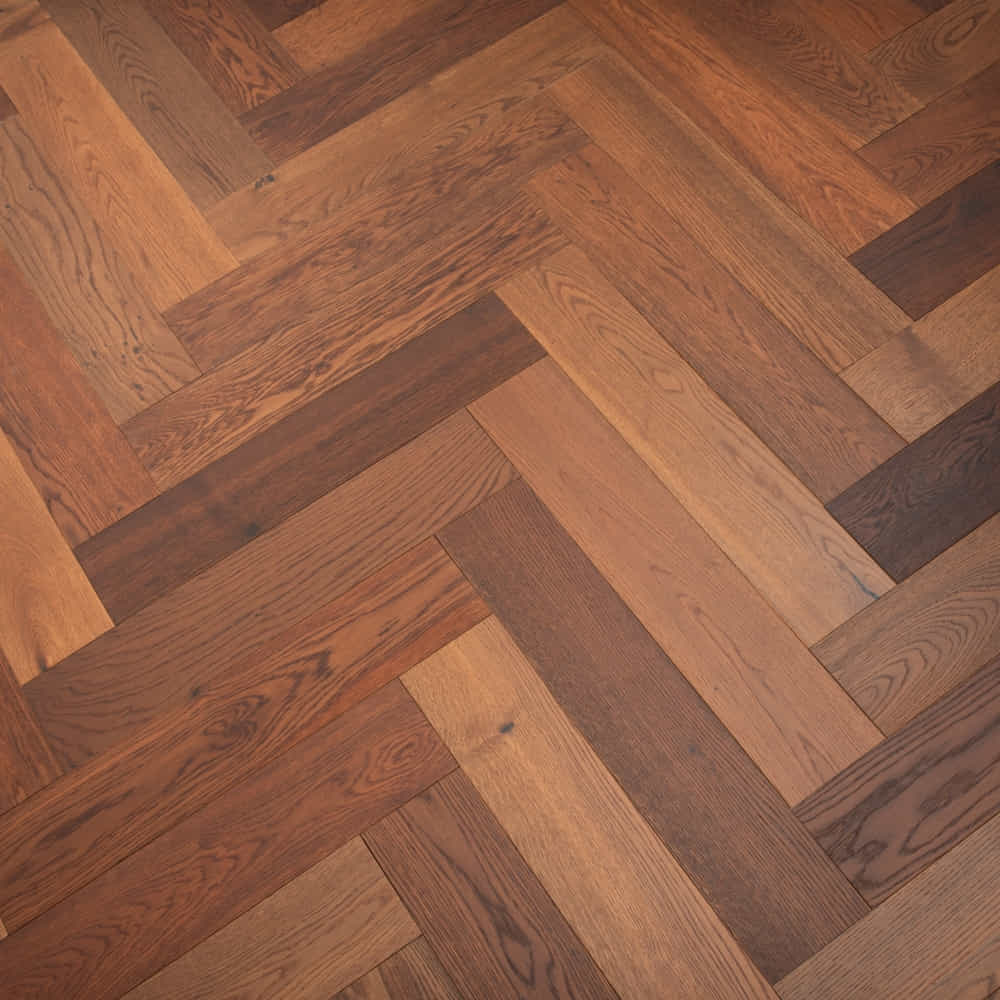
High-rise residential towers in Dubai Marina are engineered to support substantial residential loads, but flooring upgrades should still consider weight implications. Traditional solid wood herringbone installations are significantly heavier than engineered oak systems.
Engineered European oak parquet is often preferred because it reduces dead load while maintaining the appearance of solid hardwood. Before installation, contractors should verify slab loading allowances, particularly in older towers or when combining parquet with leveling compounds and acoustic underlayments.
While most modern Marina buildings can accommodate engineered herringbone flooring without structural concerns, consulting structural drawings helps avoid unexpected compliance issues and ensures that floor assemblies remain within design tolerances.
Acclimatizing European Oak to Dubai’s Indoor RH Levels
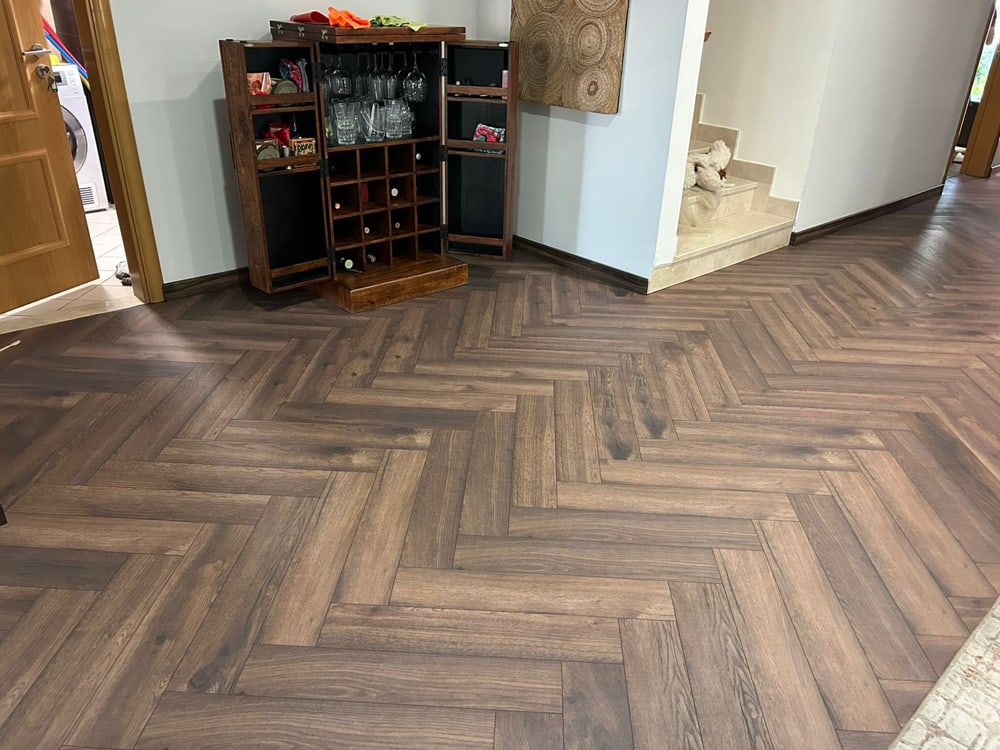
European oak is a natural material that expands and contracts with changes in relative humidity (RH). In Dubai Marina apartments, indoor RH is heavily influenced by air-conditioning systems and seasonal weather patterns. Before installation, parquet should be acclimatized in the installation environment for several days under normal living conditions. Boxes should remain flat and unopened initially, allowing the material to adjust gradually. Stable indoor temperatures and humidity levels help minimize movement after installation. Proper acclimatization reduces the risk of gapping, cupping, or excessive expansion, especially in waterfront properties where humidity can fluctuate more than in inland locations.
Subfloor Flatness Standards for Small Herringbone Planks
Small herringbone planks require a flatter subfloor than many standard flooring formats because slight irregularities become more noticeable across numerous plank intersections. Uneven substrates can cause lipping, poor adhesive transfer, and visual inconsistencies in the pattern. Prior to installation, the concrete slab should be inspected carefully and corrected through grinding or self-leveling compounds where necessary. In Dubai Marina apartments, achieving a highly uniform substrate is particularly important because large open-plan spaces can make imperfections more visible. Proper flatness contributes to both aesthetic quality and long-term floor stability.
Adhesive Spread Rates for Glass-Fiber-Backed Parquet
Glass-fiber-backed parquet systems rely on consistent adhesive coverage to achieve stable bonding and prevent hollow spots. Adhesive spread rates vary depending on product specifications, substrate porosity, and installation conditions. Insufficient adhesive can lead to weak bonding, while excessive adhesive may create uneven curing and cleanup challenges. In Dubai’s warm climate, installers must also account for shorter open times caused by elevated temperatures. Following manufacturer-recommended trowel sizes and spread rates ensures uniform adhesion, maximizes bond strength, and helps maintain the dimensional stability of the herringbone installation over time.
Expansion Gap Placement Near Marina Sliding Glass Doors
Sliding glass doors create one of the most temperature-sensitive areas in Dubai Marina homes. Direct sunlight can significantly increase surface temperatures near glazing, leading to localized expansion in wood flooring. Properly positioned expansion gaps allow the floor to move naturally without creating buckling or compression issues. These gaps are typically concealed beneath trim or transition profiles for a clean appearance. Careful detailing around door frames, thresholds, and perimeter walls is especially important in waterfront apartments where large glass openings are common architectural features.
Pattern Continuity Through Open-Plan Living and Dining Zones
Maintaining uninterrupted herringbone flow across open-plan spaces enhances visual sophistication and creates a stronger sense of scale. In Marina apartments where living and dining areas merge into a single environment, careful layout planning ensures that pattern alignment remains consistent throughout the space. Installers typically establish a central reference line before installation begins to maintain symmetry and avoid pattern drift. Seamless continuity minimizes visual interruptions and allows the herringbone design to become a defining architectural feature within the home.
Sanding and Filling Pre-Oiled Herringbone for Seamless Look
Although many engineered herringbone products arrive pre-finished, some installations may require light sanding and filling to achieve a more uniform appearance. Fine fillers can be used to minimize visible micro-gaps and create a smoother visual transition between planks. Care must be taken to preserve the factory-applied finish and avoid over-sanding. In luxury Marina residences, this process is often used to enhance the perception of a continuous handcrafted floor while maintaining the durability benefits of pre-finished parquet systems.
Final UV-Cured Hard Wax Oil Application in Humid Conditions
UV-cured hard wax oil finishes combine the natural appearance of oil with enhanced surface protection. In humid environments, controlling temperature and airflow during application is essential for consistent results. While UV curing accelerates hardening compared to traditional oils, installers must still ensure that moisture levels remain within acceptable ranges. Proper application produces a durable, low-sheen surface that highlights the grain character of European oak while improving resistance to everyday wear. This finish is particularly popular in contemporary Dubai interiors that prioritize natural materials and understated elegance.
Post-Installation Humidity Monitoring Protocols for Marina Homes
After installation, ongoing humidity monitoring helps protect hardwood flooring from seasonal movement. Digital hygrometers can be used to track indoor relative humidity and identify significant fluctuations. In Dubai Marina homes, maintaining stable indoor conditions through proper HVAC operation is often the most effective strategy. Sudden changes in humidity can contribute to gapping, expansion, or surface stress over time. Regular monitoring allows homeowners to respond proactively, preserving both the appearance and structural integrity of the herringbone floor for many years.
Frequently Asked Questions
Can herringbone parquet be installed directly on underfloor heating in Dubai Marina?
Yes, but use engineered parquet with max 15mm thickness and flexible adhesive rated for 27°C surface temp.
How long should European oak parquet acclimate in a Marina apartment before fitting?
Minimum 7 days inside the actual room, with door seals closed and AC running at 22-24°C.
What is the maximum subfloor unevenness allowed for 90mm herringbone blocks?
No more than 2mm over 2 meters using a laser level or straightedge.
Do Marina high-rise buildings require floating installation instead of glue-down?
No, glue-down with moisture-blocking adhesive is preferred to prevent drumminess and vibration noise.
What happens if expansion joints are skipped near the sliding glass door in summer?
Planks will buckle within 6 months because coastal heat drives rapid glue crystallization failure.
Is a vapor barrier necessary over concrete slabs in Dubai Marina?
Yes, use 2-part epoxy vapor control with <75% RH emission, not just polyethylene sheet.
Which adhesive works best for glass-fiber-backed parquet in humid coastal zones?
MS polymer hybrid adhesive with 900% elongation and 10-year moisture warranty.
Can I match new herringbone to existing flooring without sanding the whole apartment?
Yes, using a drum sander only on the new zone and blending with hard wax oil tinting.