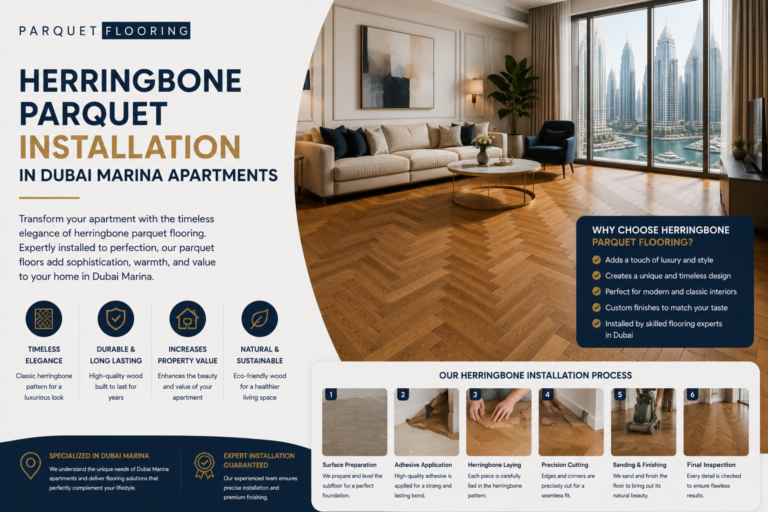
Parquet Particle Shedding Count for ISO 5 Clean Room Standards
ISO 5 cleanrooms require extremely low particle emission from all installed materials. Traditional parquet flooring is not designed for controlled cleanroom environments because it can shed micro-particles from surface wear, joints, or finish degradation. Even well-sealed engineered parquet typically exceeds acceptable particulate thresholds for ISO 5 classifications under airflow and activity conditions. For this reason, cleanrooms usually rely on seamless polymeric or resin flooring systems rather than wood-based materials. Parquet may only be considered in adjacent non-controlled support zones.
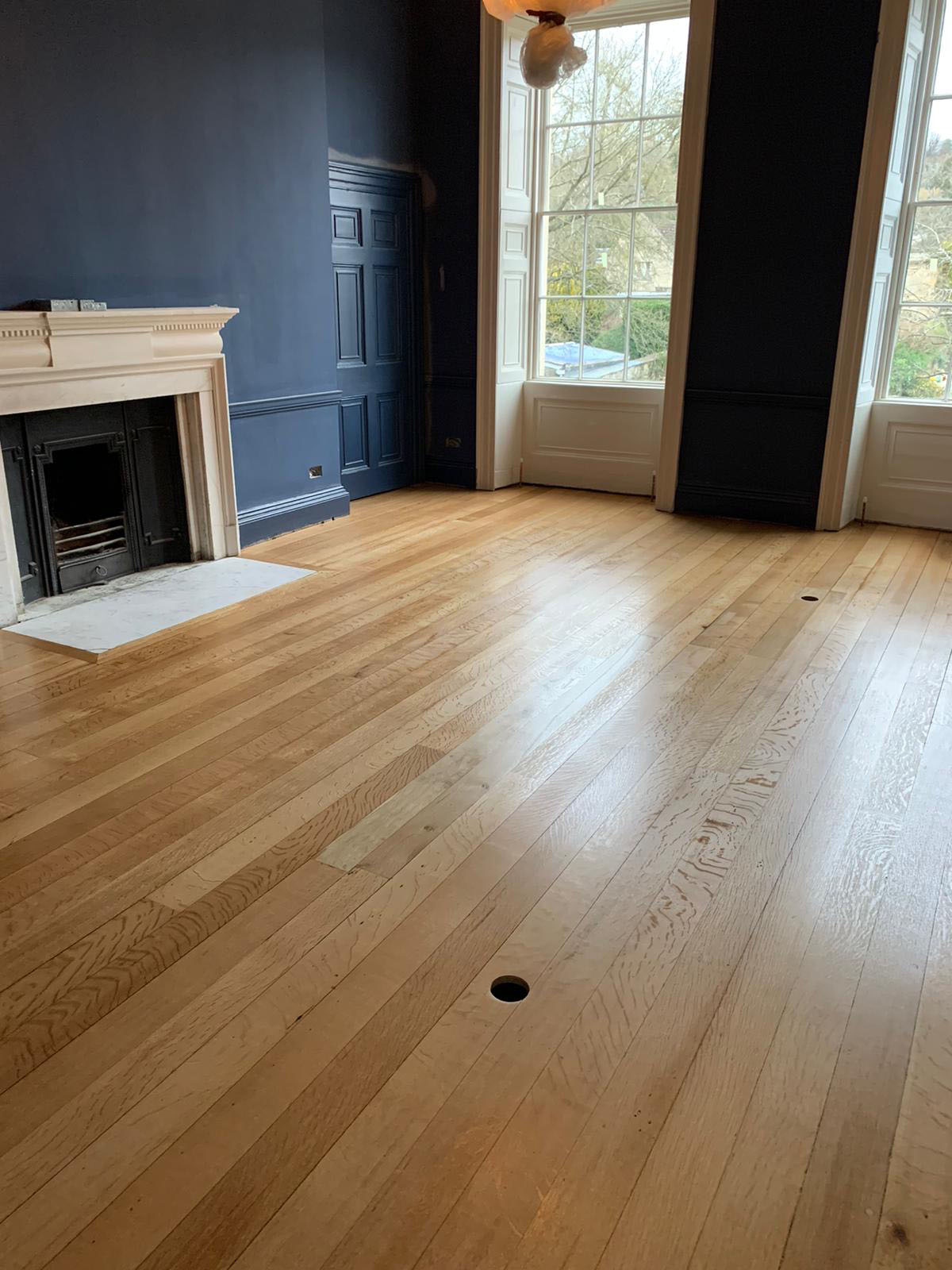
Chemical Spill Resistance to Acetone and Ethanol
Acetone and ethanol are strong solvents that can rapidly degrade many parquet finishes. Acetone is particularly aggressive and can dissolve or soften conventional lacquers, while ethanol may cause dulling or localized finish breakdown over repeated exposure. High-performance industrial coatings improve resistance but do not eliminate chemical sensitivity. In laboratory environments, parquet is generally unsuitable for frequent solvent exposure areas unless fully protected by specialized chemical-resistant overlays or strict spill control protocols.
Parquet Electrostatic Dissipation for ESD-Safe Labs
Electrostatic discharge (ESD) control is critical in laboratories handling sensitive electronics or volatile materials. Standard parquet is electrically insulating and does not naturally dissipate static charge. To achieve ESD performance, specialized conductive additives, grounding systems, or surface treatments must be integrated. However, even modified parquet systems rarely achieve the consistent conductivity required for high-grade ESD-certified environments. As a result, parquet is typically avoided in primary ESD zones.
Parquet Seamlessness for Bacteria Retention Prevention
Seamless flooring is essential in environments where bacterial retention must be minimized. Parquet inherently contains joints between planks, which can harbor microorganisms if not perfectly sealed and maintained. Even micro-gaps may trap contaminants over time. While tight-engineered locking systems reduce this risk, they cannot fully eliminate it. In hygiene-critical environments, continuous monolithic surfaces are preferred to ensure complete cleanability and prevent microbial accumulation in seams.
Parquet Surface Roughness for Swab Sampling Validation
Surface roughness affects how easily microbial swab sampling can retrieve contaminants for laboratory validation. Rough or textured parquet finishes can trap particles in micro-crevices, potentially reducing sampling efficiency and reproducibility. Smooth, sealed finishes improve consistency but still present challenges compared to non-porous laboratory flooring materials. In validated testing environments, flooring is selected to ensure predictable, uniform sampling conditions, which wood-based systems struggle to consistently provide.
Parquet Load Tolerance for Heavy Analytical Instruments
Analytical instruments such as mass spectrometers or centrifuges generate concentrated static loads and vibration. Parquet load tolerance depends on core density and subfloor support, but point loads from heavy equipment can still cause indentation or long-term deformation. Engineered parquet performs better than solid wood but is not designed for precision laboratory load stability requirements. Equipment placement typically requires load-spreading bases or dedicated structural flooring zones to prevent localized failure.
Parquet Resistance to Autoclave Steam Exposure
Autoclaves generate high-pressure steam and heat, which can severely damage wood-based materials. Parquet exposed to steam environments will absorb moisture, leading to swelling, delamination, and adhesive failure. Even sealed finishes cannot fully protect against repeated steam penetration at autoclave proximity. In clinical or laboratory settings, autoclave areas are always separated from sensitive flooring materials, using steam-resistant surfaces such as epoxy or ceramic systems instead.
Parquet Compatibility with Hydrogen Peroxide Vapor Decontamination
Hydrogen peroxide vapor (HPV) is used for room sterilization and can be chemically aggressive to certain flooring finishes over repeated cycles. Parquet coatings may experience gradual oxidation, discoloration, or surface dulling when exposed frequently to HPV processes. While occasional exposure may be tolerated by high-performance finishes, regular decontamination cycles are incompatible with long-term parquet durability. Controlled environments typically isolate flooring systems from routine vapor sterilization zones.
Parquet Flammability for UL 94 V-0 Rating
UL 94 V-0 is a stringent flammability rating requiring materials to self-extinguish quickly without dripping combustion. Natural wood-based parquet cannot achieve UL 94 V-0 without extensive modification, as wood is inherently combustible. Fire-retardant treatments can improve performance and reduce flame spread, but they typically do not elevate parquet to V-0 classification. In regulated environments, alternative non-combustible or engineered fire-rated materials are required to meet this standard.
Frequently Asked Questions
Can parquet meet ISO 14644-1 Class 6 cleanroom standards?
Yes, with epoxy-sealed joints and conductive coating (10^6-10^9 ohm).
Which parquet finish withstands weekly bleach decontamination?
Peroxide-cured polyurethane with 10,000 chemical cycles.
Does parquet outgas VOC in cleanroom environments?
No, if using water-based adhesives and 7-day accelerated outgas test.
How to clean parquet after biohazard spill in BSL-2 lab?
Use 10% bleach, dwell 10min, rinse, then 70% IPA wipe.
Is parquet allowed in Dubai pharmaceutical labs with GMP?
Yes, if validated for non-porous surface and no cracks >0.3mm.
What parquet core resists autoclave moisture?
Phenolic resin-impregnated birch plywood.
How to ground parquet for ESD sensitive zones?
Connect conductive adhesive to grounding strip every 50m².
Can parquet be installed over raised access floors in labs?
Yes, with magnetic attachment for removability under equipment.
Which parquet pattern minimizes particle traps?
Random linear planks with 45-degree edge, not herringbone.