Parquet Water Wicking Prevention From Wudu Washing Zones
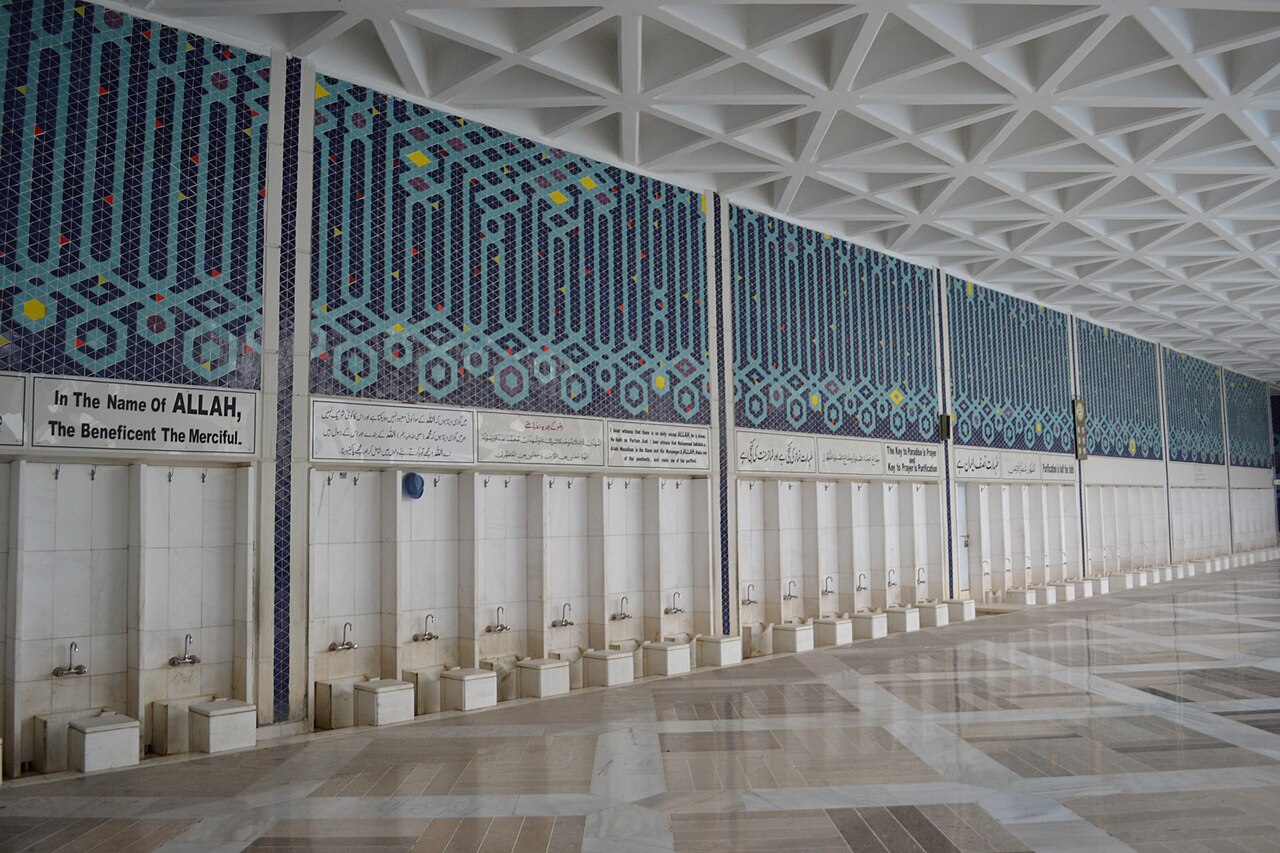
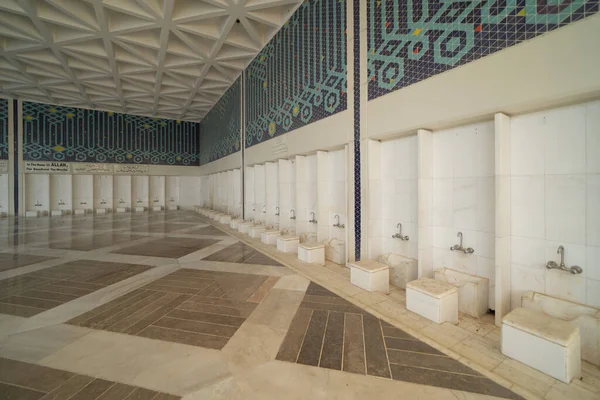
In ablution (wudu) adjacent areas, water exposure is frequent and repetitive, making capillary wicking through parquet joints a primary risk. Even small amounts of standing water can migrate into seams and cause swelling or edge lifting over time. Engineered parquet systems may slow this process through tight locking profiles and surface sealing, but they cannot fully eliminate moisture migration. Effective prevention relies on strict zoning—keeping wet and dry areas separated with proper thresholds, drainage design, and water-resistant transition materials.
Anti-Slip Parquet Rating R12 for Wet Barefoot Feet
An R12 slip resistance rating indicates a high level of traction, typically used in wet barefoot environments such as ablution spaces or spa corridors. Achieving this level on parquet requires specialized surface texturing and coating systems, as standard wood finishes are too smooth when wet. Even when enhanced, maintaining consistent slip resistance under soap water and barefoot use is challenging. For this reason, parquet is usually reserved for transitional or dry zones rather than primary wet washing areas.
Parquet Resistance to Soap and Shampoo Residue
Soap and shampoo residues reduce surface friction and can leave a dull film on parquet if not cleaned promptly. Over time, alkaline or surfactant-based residues may degrade certain finishes, leading to haze or reduced sheen. Sealed lacquer systems perform better than oil finishes in resisting chemical interaction, but frequent exposure still requires routine cleaning. In ablution-adjacent designs, residue management is a key maintenance factor to preserve surface appearance and safety.
Parquet Joint Sealing Against 500 Ablutions Per Day
High-frequency water exposure—such as 500 daily ablutions—places continuous stress on parquet joints. Even minor gaps can allow repeated moisture intrusion, leading to swelling or adhesive weakening. Specialized elastic sealants can improve resistance, but they require periodic reapplication to remain effective under constant wet-dry cycling. In practice, joint sealing alone is not sufficient without proper spatial separation between wet washing zones and parquet flooring.
Parquet Drainage Slope Away From Prayer Hall Entry
Proper drainage slope design is essential to prevent water migration from ablution areas into prayer halls. Flooring must be graded so that water naturally flows away from dry carpeted or parquet zones. Without adequate slope control, even small spills can accumulate at thresholds and compromise flooring stability. In mosque-adjacent architecture, this transition design is critical for maintaining both cleanliness and structural integrity of interior finishes.
Parquet Thermal Comfort for Cold Winter Wudu
Parquet offers a relatively warm surface compared to ceramic or stone, making it more comfortable underfoot during cold water ablution in winter conditions. Wood’s natural insulating properties reduce heat loss from the body, improving comfort during barefoot washing and transition into prayer areas. However, this benefit is only relevant in dry or semi-dry zones, as prolonged water exposure still compromises the material’s durability.
Parquet Antimicrobial Efficacy Against Foot Fungi
Foot fungi thrive in warm, moist environments, which can develop in inadequately ventilated ablution zones. Antimicrobial coatings—such as silver-ion treatments—can reduce microbial surface growth on parquet, but they do not eliminate the underlying moisture conditions that support fungi development. Hygiene performance depends more on ventilation, drying cycles, and cleaning frequency than on surface chemistry alone.
Parquet Wear Resistance From Sandals and Socks Traffic
Traffic consisting of sandals and socks produces moderate abrasion compared to heavy footwear, but over time it still contributes to surface polishing and micro-wear patterns. Sand particles carried on soles significantly increase abrasion intensity, acting like a fine abrasive layer. High-quality wear layers help resist this gradual degradation, but in high-use religious facilities, maintenance schedules are essential to preserve appearance and surface integrity.
Parquet Color Stability From Bleach Cleaning Solutions
Bleach-based cleaning agents can significantly affect parquet coloration and finish stability. Repeated exposure may cause whitening, uneven tone shifts, or surface dulling depending on concentration and contact time. While sealed finishes offer partial protection, they are not fully resistant to strong oxidizing agents. In wet cleaning environments, diluted solutions and controlled application methods are necessary to minimize long-term discoloration and preserve uniform flooring appearance.
Frequently Asked Questions
Can parquet be used within 1m of wudu washing stations?
No, use porcelain tiles; parquet allowed beyond 1.5m dry zone only.
Which parquet coating resists weekly bleach mopping near ablution?
Epoxy-based 100% solids coating, 500 microns thick.
How to seal parquet edge at ablution transition strip?
Use stainless steel profile with silicone bulb gasket.
Does parquet absorb wudu water and swell?
Yes, if not sealed with 2-part hydrophobic epoxy.
Is parquet allowed in mosque corridors leading to wudu area?
Yes, with R12 slip rating and 2% slope to drainage channel.
What is the parquet surface temperature in winter wudu?
22°C with underfloor heating; avoid cold shock to feet.
How to treat fungal growth on parquet near ablution?
Use copper-based fungicide spray, not bleach.
Can parquet be installed over mosque radiant cooling?
No, condensation risk; use dedicated cooling-free zone.
Which parquet wood species resists soap residue best?
Thermally modified ash with closed cell structure.